Where Did My Money Go? The Quiet Ways Pool Halls Drain Your Wallet Without a Single Bet
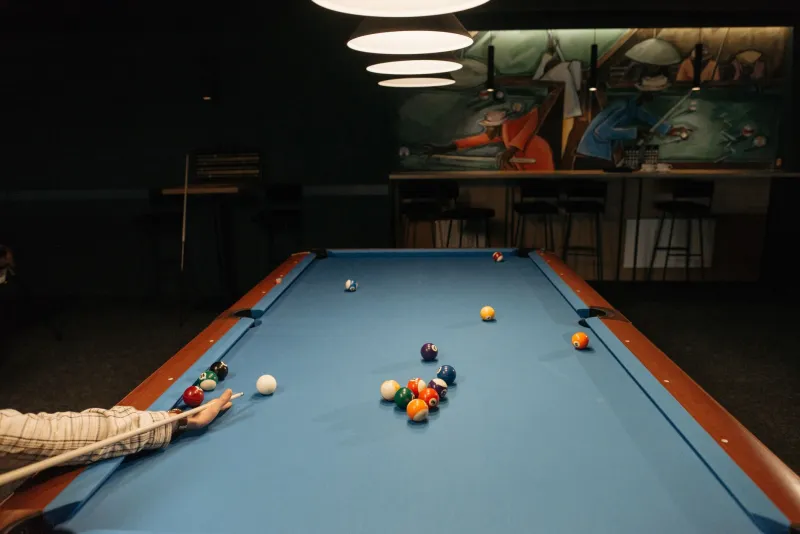
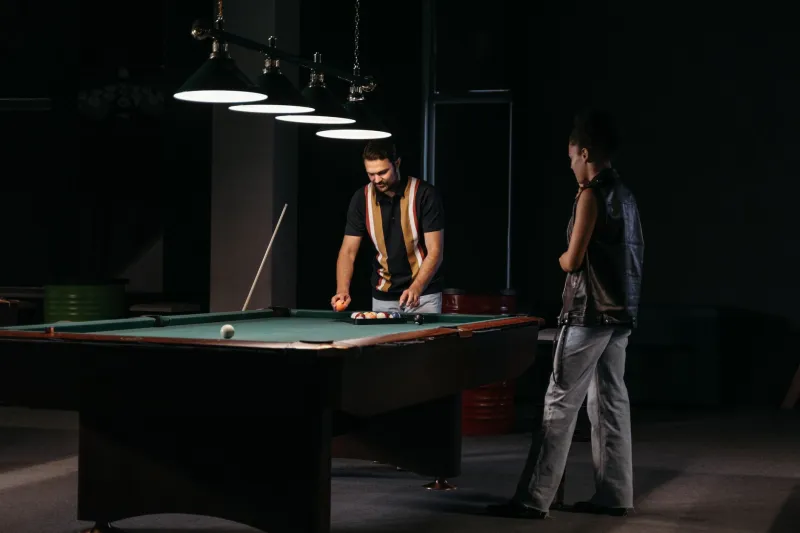
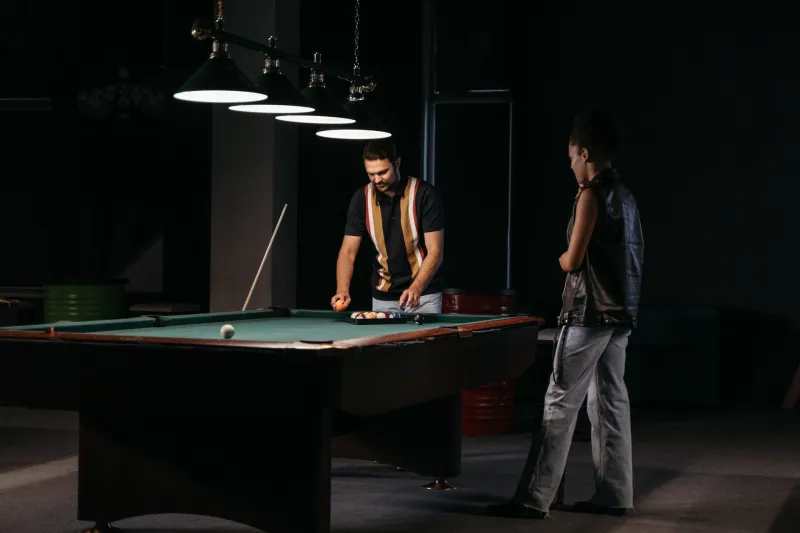
Here's a scenario that probably sounds familiar. You show up on a Tuesday night with a twenty in your pocket and a plan to knock out a couple racks, grab a beer, and head home at a reasonable hour. Four hours later, you're splitting a tab that somehow climbed to fifty-five dollars, you've got another round going because someone issued a rematch you couldn't turn down, and your wallet is doing that sad, flat thing it does after a bad night.
You didn't bet a dime. So what happened?
This is the bankroll trap—and it catches casual players far more reliably than any hustler ever could.
The Illusion of Cheap Entertainment
Pool halls have always had an image problem on the cost side. Table time feels cheap in the moment. Four bucks an hour, maybe eight for a premium table on a Friday night. Compared to a concert ticket or a dinner out, that sounds like a steal. And it is—until you start doing the full accounting.
The real cost of a pool hall session isn't the table fee. It's the table fee plus the two drinks you ordered while waiting for a table plus the snacks you grabbed because you skipped dinner plus the extra hour you added because the game was close plus the round you bought when your buddy sank a ridiculous bank shot. None of those individual decisions feel expensive. All of them together? That's where the money goes.
Psychologists call this "expense creep"—the way small, incremental purchases accumulate into a significant total that nobody consciously authorized. Pool halls, through no particular malice, are basically engineered for it. The environment is relaxed, the social pressure is real, and time moves differently under neon lights with a cue in your hand.
Social Spending Is Still Spending
Let's talk about the rounds. Buying a round of drinks is one of the most deeply embedded rituals in American bar culture, and pool halls are no exception. The problem is that rounds operate on a kind of unspoken reciprocity that almost always results in everyone spending more than they planned.
If you're in a group of four and each person buys one round, you've each had four drinks. But here's how it actually plays out: someone buys a round early, someone else feels obligated to follow, a third person jumps in because they don't want to look cheap, and suddenly you've got drinks stacking up faster than the games. Nobody tracked it. Nobody planned it. But everybody paid for it.
This is different from gambling, and that's exactly what makes it harder to manage. When money is on a game, there's a clear transaction—you know you might lose it, you've agreed to the stakes, and you're mentally prepared for the outcome. Social spending doesn't come with that clarity. It just happens, one perfectly reasonable decision at a time.
The Rematch Economy
There's another mechanism at work that's almost invisible until you name it: the rematch cycle.
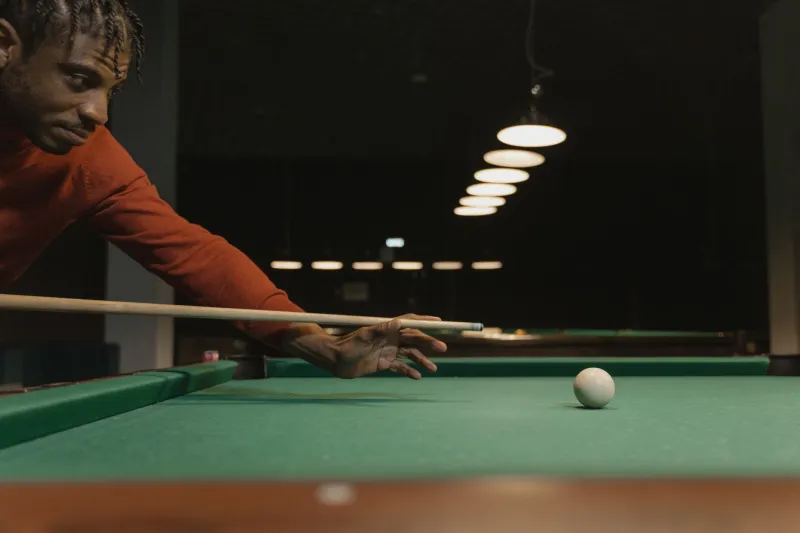
Loosing a game you thought you'd win is a specific kind of sting. It's not devastating, but it's just uncomfortable enough to make you want another shot. And winning feels incomplete when the other guy is already racking for a rematch. Either way, you're playing another game. And another hour of table time. And probably another drink, because now you're invested.
Some players ride this cycle for entire evenings without ever making a conscious choice to stay. They're just responding to the rhythm of the game—one rack leading naturally to the next—while the clock and the tab quietly advance.
Actual gamblers, the disciplined kind, set hard limits before they walk in the door. They know their number, they play to it, and they leave when they hit it regardless of how the last game went. Casual players almost never do this, which is why casual players almost always spend more than they intended.
Practical Ways to Keep Your Wallet in Check
None of this means you should stop coming out. It just means you should show up with a plan. Here's what actually works.
Set a session budget before you arrive. Not a rough idea—an actual number. Decide what you're comfortable spending tonight, in total, including drinks and food. When you hit it, you're done. This sounds obvious, but almost nobody does it.
Pay cash when you can. Cards make it too easy to lose track. When you're handing over physical bills, you feel every transaction. That friction is useful. It slows down the impulse buys and keeps you honest about where you are in your budget.
Eat before you come. Pool hall food is fine, but it's not why you're there. Showing up hungry is a guaranteed way to add fifteen to twenty dollars to your tab without getting any additional enjoyment out of the night.
Opt out of the round system. This one takes a little social courage, but it works. Just tell your crew upfront that you're on a budget tonight and you'll be buying your own drinks. Most people will respect it. The ones who don't aren't worth worrying about.
Give yourself a rematch limit. One rematch is fair game. Two is a choice. Three or more is a cycle. Decide before you sit down how many rematches you're willing to play and stick to it, win or lose.
Track your time, not just your money. The longer you stay, the more you spend. It's that simple. If you're someone who loses track of time easily—and pool halls are specifically designed to make that happen—set an alarm on your phone. When it goes off, finish the game and settle up.
Playing Smart Isn't Playing Less
There's a version of this conversation that sounds like a lecture, and that's not what this is. Pool halls are supposed to be fun. Spending money on things you enjoy isn't a character flaw. The goal isn't to squeeze every dollar until it screams—it's to make sure the money you spend is money you meant to spend.
The players who keep coming back for years, the real regulars who are fixtures at their spots, aren't the ones who throw money around. They're the ones who figured out how to make a night out sustainable. They budget. They pace themselves. They know when to rack up one more and when to call it.
That discipline isn't about being cheap. It's about being smart enough to still be here next Tuesday.
The table's always going to be there. Make sure your bankroll is too.