Green Felt, Real Money: How Serious Pool Players Build Income Without Going Pro
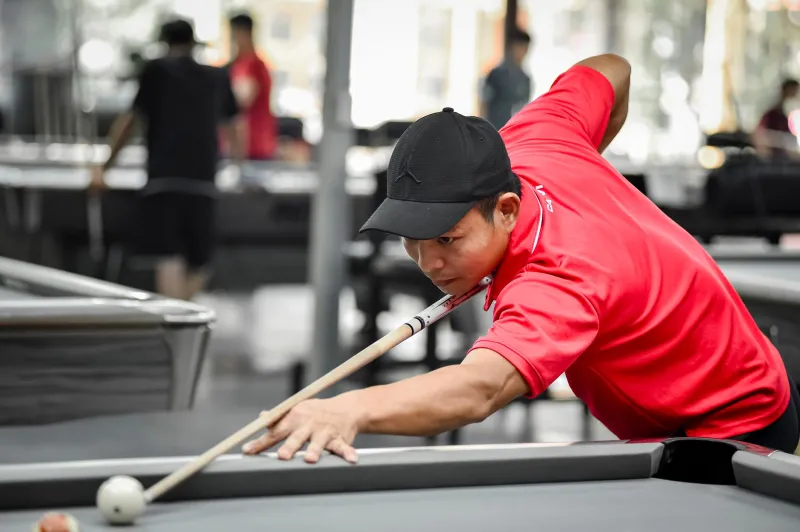
Most people who spend serious time at a pool hall aren't chasing a spot on the pro tour. They've got day jobs, families, mortgages. But somewhere between their first decent break shot and their fiftieth league night, something shifts. They start to wonder — quietly at first — whether all those hours on the felt could actually be worth something beyond bragging rights.
Turns out, for a lot of players, the answer is yes. Not in a quit-your-job, travel-the-circuit kind of way. More like a side hustle that happens to involve chalk dust, a well-worn cue, and a crowd that respects what you've put in. The economics of pool aren't obvious from the outside, but once you're embedded in the culture, the opportunities start to reveal themselves.
Teaching the Game: The Most Underrated Hustle in the Room
If you can play at a high level and break down why you're doing what you're doing, you've already got a marketable skill. Pool instruction is one of the cleanest ways dedicated players convert expertise into income — and demand for it is real.
Beginners are everywhere. Every time a venue runs a new-player night or a date-night promotion, a fresh wave of people discovers they want to actually get good at this game. Private lessons from a credible player — someone who can explain stance, stroke mechanics, cue ball control, and position play in plain language — can run anywhere from $40 to $100 an hour depending on your market and reputation.
The key is building trust. Players who become known instructors usually start by helping friends for free, then get referrals. A few testimonials, maybe a simple social media presence, and suddenly you've got a small roster of students who show up every week. Some instructors formalize it further, partnering directly with local venues to offer structured beginner clinics — which benefits the hall (more engaged customers) and puts money in the instructor's pocket.
Running Leagues: Low-Key, High-Reward
League management doesn't sound glamorous, but for the right person it's a surprisingly steady income stream. Pool leagues — whether affiliated with national organizations like APA or BCA, or run independently — need someone to handle scheduling, handicaps, score tracking, and communication. That someone is often a passionate local player who knows the community.
League operators typically collect a per-player weekly fee, keep a portion for their time and expenses, and pass the rest to the sanctioning body (if applicable) or into prize pools. A well-run league with 40 to 80 active players can generate meaningful supplemental income over the course of a season — especially when you factor in that some operators run multiple leagues across different nights or venues.
Beyond the money, running a league builds social capital. You become a connector, a fixture, someone the community depends on. That reputation opens other doors.
Strategic Wagering: The Part Nobody Talks About Loudly
Let's be honest — money games are part of pool culture. They always have been. The key word in the phrase is strategic. Players who approach wagering casually lose money. Players who treat it like a disciplined practice — managing bankroll, reading opponents carefully, knowing when to walk away — can come out ahead over time.
This isn't about hustling strangers in a shady way. The modern version of money games among regulars is more transparent than the folklore suggests. Players know each other's games. Spots and handicaps get negotiated openly. It's competitive gambling among people who've chosen to engage, and skill absolutely matters.
The discipline required is real, though. Ego is the enemy here. Plenty of talented players have lost more than they've made because they couldn't resist a bad matchup or chased losses. The ones who build a consistent edge treat it like a craft — studying opponents, playing within their means, and never letting emotion drive the decision to shoot for money.
Selling Knowledge: Content, Coaching, and Community Online
The internet opened a lane that didn't exist a generation ago. Players with solid fundamentals and decent communication skills can build audiences on YouTube, TikTok, or Instagram by sharing drills, breakdowns, and honest commentary about the game. Monetization through ads, memberships, or merchandise is real — not guaranteed overnight, but real.
More practically, online coaching has become a legitimate option. Video review sessions, where a player submits footage of their game and an instructor provides detailed feedback remotely, have become popular among serious amateurs who don't have access to great local instruction. If you can articulate what you're seeing and why it matters, you can charge for that perspective.
Sponsoring Younger Players: The Long Game
This one's less about immediate income and more about building equity in the ecosystem. Experienced players who sponsor up-and-coming talent — covering entry fees, providing equipment, offering mentorship — often negotiate a percentage of tournament winnings in return. It's a model borrowed directly from the poker world, and it works.
For the sponsor, it's a low-cost investment with potential upside. For the younger player, it's access to resources and mentorship they might not otherwise have. When it works, it strengthens the whole local scene — which is good for every venue, every league, and every player who calls that community home.
The Common Thread
None of these income streams require going pro. None of them demand you sacrifice the casual, social side of pool that probably drew you in to begin with. What they do require is a genuine investment in the craft — not just playing, but understanding the game deeply enough that other people want what you know.
The pool hall has always been a place where informal economies thrive. Money, knowledge, reputation — they flow between players in ways that don't show up on any balance sheet. The players who figure out how to tap into that flow aren't doing anything exotic. They're just paying attention, showing up consistently, and taking the game seriously enough to let it give something back.
Rack 'em up. There's more on the table than you think.