Same Table, Every Thursday: How Pool Hall Rivalries Quietly Build the Realest Friendships You'll Ever Have
It Always Starts With a Game
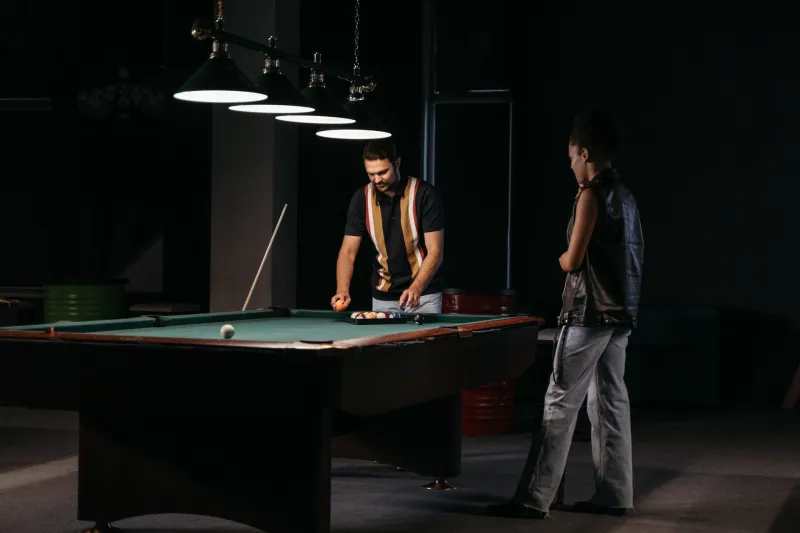
Nobody walks into a pool hall looking for a life-long friend. They walk in looking for a good game. Maybe they're blowing off steam after work, or they've got a regular night with a crew that slowly dwindled to just them and their cue case. Whatever the reason, they show up. And so does somebody else.
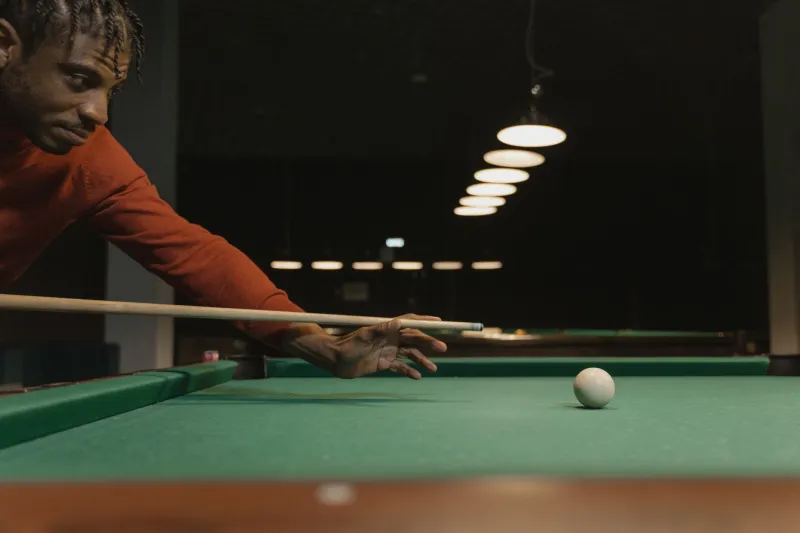
The first game is usually just a game. You size each other up. You notice how they hold their bridge, whether they chalk before every shot or only when they remember to, how they react when they scratch on the eight. You file all of it away without really meaning to. By the third or fourth week, you're not just playing pool anymore. You're studying someone. And they're studying you right back.
That's where it starts — the quiet, competitive kind of relationship that pool halls have been producing for as long as there have been pool halls.
The Unwritten Code
Every serious player knows there's a way things work at a pool hall, and almost none of it is written down anywhere. You don't walk through someone's shot line. You don't call fouls on yourself only when it's convenient. You rack tight, you play straight, and when your opponent runs the table on you, you say something like "good game" and you mean it — or at least you say it.
But the code goes deeper than basic etiquette. There's a whole layer of mutual respect that develops specifically between rivals — people who play each other often enough that the games start to carry history. When Marcus beats Dave for the fourth straight Tuesday, he doesn't gloat the same way he might with a stranger. And when Dave finally snaps that streak, he doesn't have to say much. They both know what it means.
"It's like a long conversation," says Tommy Reyes, a 54-year-old regular at a bar-room league in San Antonio who's been trading wins with the same guy for going on eleven years. "We don't even have to talk much anymore. The game does the talking."
That economy of words — the nod across the room, the raised eyebrow when someone pulls off a shot they've been working on for weeks — is its own language. And it's one you can only learn by showing up.
Why Competition Builds Bonds Faster Than Anything Else
Friendships made through competition have a different texture than the ones you make at work or through mutual friends. There's no small talk scaffolding holding them up. You go straight to the part where you're trying to beat each other, and in doing so, you skip past a lot of the social performance that usually slows things down.
When you compete against someone regularly, you see them frustrated. You see them focused. You see them make a mistake and decide whether they're going to shake it off or let it rattle them. That's real information about a person. More real, in some ways, than anything they'd tell you over drinks.
"I know how Carla handles pressure better than I know how most of my coworkers handle anything," says Denise Okafor, a 41-year-old nine-ball player from Columbus, Ohio. "We've been going at it for three years. I've seen her come back from being down five games in a race to seven. That tells you a lot about somebody."
Denise and Carla grab dinner after league nights now. They've taken a road trip to a regional tournament together. The rivalry didn't soften — Carla still beats Denise about sixty percent of the time, and Denise is still very much working on that — but it grew into something else alongside itself.
The Respect System Nobody Teaches You
Here's what's interesting about the best pool hall rivalries: the respect isn't something either person decides to give. It accumulates, shot by shot, over time. You earn it by playing honestly. By not complaining about the roll. By coming back after a bad night instead of avoiding the place for two weeks.
And there's a specific kind of respect that only comes from being beaten by someone repeatedly. When your nemesis runs out on you — again — and you watch every ball disappear like they're just checking items off a grocery list, you don't resent them the way you might expect to. You want what they have. That wanting is a form of respect, and it's also what keeps you coming back to practice.
"He made me a better player," says Ray Hutchins, 63, talking about a guy named Darnell who used to clean his clock at a league in Atlanta every single week for about two years. "I hated losing to him. So I went home and I worked. I watched videos. I drilled. And eventually I started winning some. And then he started working harder. We made each other better for ten years."
Ray and Darnell still play. They're both in their sixties now, a little slower around the table, and they've been to each other's kids' weddings. But Thursday nights, the gloves still come off.
When It Becomes Something More
Not every rivalry stays purely competitive. Some of them turn into friendships that outlast the pool hall itself — people who met over a nine-ball rack and ended up in each other's corner for the long haul. A few, if you ask around enough, turn into something more than friendship.
There's something quietly romantic about the pool hall rivalry dynamic, even when romance has nothing to do with it. You're seen. Fully seen, in the way that only happens when someone's been watching you play under pressure for years. That kind of attention — earned, not given — has a way of meaning something.
"She was the only person in that place who took me seriously from day one," says one player who asked to stay anonymous, talking about a woman he eventually married after two years of competing against her in a Tuesday night league. "She never let me slide on anything. She'd call a foul on me in a heartbeat and then buy me a beer after. I figured if she could put up with me at my worst at the table, we'd probably be okay."
They've been married six years.
The Table Keeps Score, But That's Not the Point
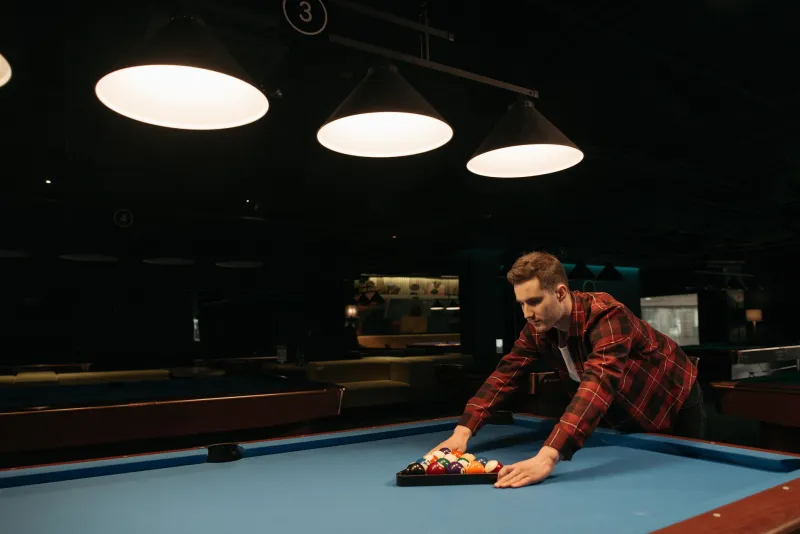
At Bandit Billiards Club, we see it happen all the time. Two people who barely nodded at each other in September are arguing about whether English on the cue ball is overrated by March, and by summer they're showing up together. The table keeps score, but the score isn't really the point.
The point is that pool puts you in close, honest, repeated contact with another person. It strips away the stuff that usually keeps people at arm's length and replaces it with something simple: you play, I play, we see what happens. Week after week, that simplicity builds something surprisingly durable.
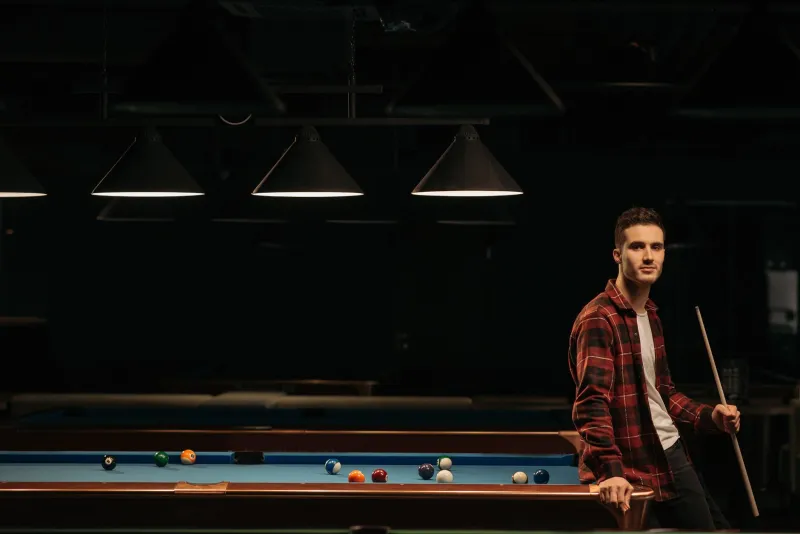
So if there's someone at your local hall you've been trading games with for a while — someone who knows your tendencies better than most of your friends do — maybe the rivalry is already doing its thing. Maybe the friendship is already there, just wearing a competitive disguise.
Rack 'em up. Show up Thursday. See what happens.