From the Felt to the Paycheck: How Pool Hall Lifers Are Building Real Income Off the Table
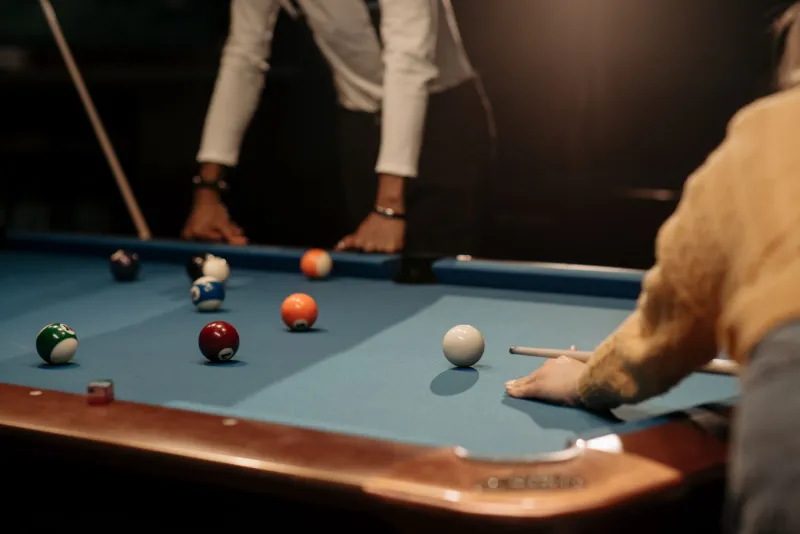
Spend enough time at a pool hall and you start to notice something. There's always a guy — or a woman — who seems to live there. They're not just playing. They're working. Not in a shady, back-room kind of way, either. They're teaching a nervous first-timer how to bridge properly. They're at a side table with a cue broken down into parts, running a cloth over the shaft. They're on their phone coordinating bracket logistics for next month's eight-ball tournament.
These are the pool hall lifers, and a lot of them have figured out something most people miss: the community built around billiards is full of legitimate, sustainable income opportunities that have nothing to do with betting on a game. If you've ever thought about turning your love for the sport into something more than a hobby, here's a look at how people are actually doing it.
Teaching Is the Most Obvious Move — and Still Underused
Pool instruction is genuinely undersaturated in most American cities. There are certified instructors, sure, but the demand for casual, accessible coaching at the local level far outpaces supply. If you can shoot a solid game and communicate what you're doing in plain English, you have a marketable skill.
Most players who coach on the side start by word of mouth. Someone watches you run a rack and asks how you do it. You spend twenty minutes showing them. They mention it to a friend. Before long, you're booking hour-long sessions at a rate between $40 and $80 depending on your market and experience level.
The key is consistency and trust. People want to learn from someone who shows up regularly at the same hall, someone they can find again if they have a follow-up question. Being a known face in a place like Bandit isn't just social capital — it's the foundation of a client base.
For those who want to go further, the Billiard Congress of America offers instructor certification programs that lend credibility and can justify higher rates. But plenty of coaches build steady side income without formal credentials, purely on reputation and results.
Cue Maintenance and Repair: The Trade Most Players Overlook
Here's a niche that surprises people: cue repair and maintenance is a legitimate skilled trade, and the market for it is consistent. Players break tips. Shafts warp. Ferrules crack. Joints get stripped. Most people have no idea how to fix any of it, and sending a cue off to a professional repair shop can take weeks and cost more than expected.
Someone who knows how to replace a tip cleanly, resurface a shaft, or re-wrap a grip can charge real money for fast, local turnaround. The startup cost is low — a tip tool kit, some quality tips in various hardnesses, adhesive, and a lathe if you're serious about it. The skill comes with practice, and the practice is cheap.
Regulars who pick this up often start by doing it for free just to get reps in. Then they start charging friends. Then friends of friends. Eventually they're the person at the hall everyone points to when somebody's cue needs work. That kind of reputation doesn't just generate income — it deepens your roots in the community in ways that keep paying off.
Tournament Promotion: The Organizational Play
Running a pool tournament sounds complicated, but it's really a matter of logistics, communication, and hustle. Local tournaments bring energy to a hall. They drive traffic, create regulars, and give players something to grind toward. Venues often want them but don't always have someone with the bandwidth to run them well.
If you're the type who likes organizing things, this is a genuine opportunity. Tournament directors can negotiate a cut of entry fees, a flat fee from the venue, sponsorship from equipment brands, or some combination. The work involves setting brackets, managing registration, keeping things on schedule, and handling disputes — none of which requires anything beyond organization and a good understanding of the game's rules.
The players who do this well become central figures in their local pool scene. They know everyone. They get invited to help run bigger events. Some eventually move into regional or national amateur tournament management, which is a whole other level of opportunity.
Equipment Dealing: The Secondhand Market Is Real
Pool equipment holds value in ways that casual players don't realize. A well-maintained mid-range cue from a respected brand can resell for close to its original price. High-end cues appreciate. Tables, balls, racks, cases — there's a constant churn of gear moving in and out of the hands of players who are upgrading, downsizing, or quitting the game.
Players with a good eye for quality and a network of contacts can do well buying and reselling gear. It's not a get-rich scheme, but it's a consistent side income for people who know what things are worth. Platforms like eBay and Facebook Marketplace are the obvious channels, but local sales through pool hall connections often move faster and avoid shipping headaches.
Some players take this further by becoming informal dealers for specific brands — stocking a few cues, cases, or accessories and selling directly to people in their community. It requires some upfront investment, but the margins on quality billiards equipment are solid.
Content Creation: The Digital Table
This one's newer, but it's real. Pool content performs on YouTube, TikTok, and Instagram. Trick shots get views. Instructional breakdowns get subscribers. Commentary on professional events builds audiences. If you're comfortable in front of a camera and you know your stuff, there's an audience waiting.
Monetization takes time — ad revenue, brand partnerships, affiliate deals with equipment companies. But the barrier to entry is basically a decent phone and a well-lit table. A lot of the most successful pool content creators started exactly where you are: playing at a local hall, knowing a lot, and deciding to start sharing it.
The Common Thread
What connects all of these paths is the same thing that makes pool halls worth walking into in the first place: community. Every one of these income streams runs on trust, reputation, and relationships built over time at the table. You can't fake it. You have to be there, be consistent, and be genuinely good at what you do.
The pool hall doesn't just give you a place to play. For the people who go deep, it becomes an ecosystem — one where expertise is currency and showing up is the whole game. You just have to decide what you're going to do with all those hours you're already spending on the felt.