Play Like You Belong: The Unspoken Rules That Earn You Respect at Any Pool Hall
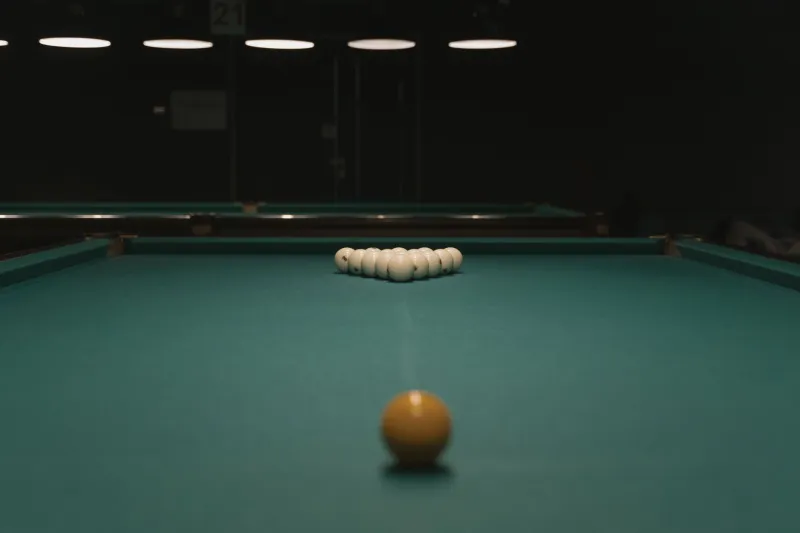
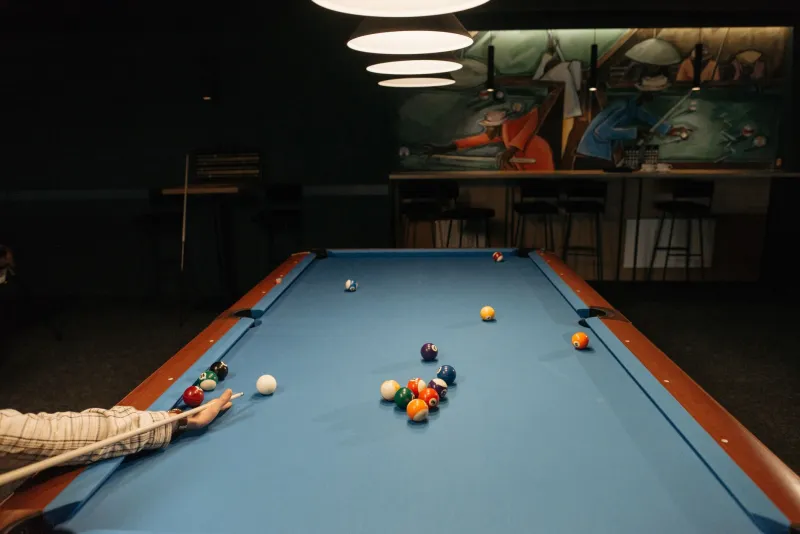
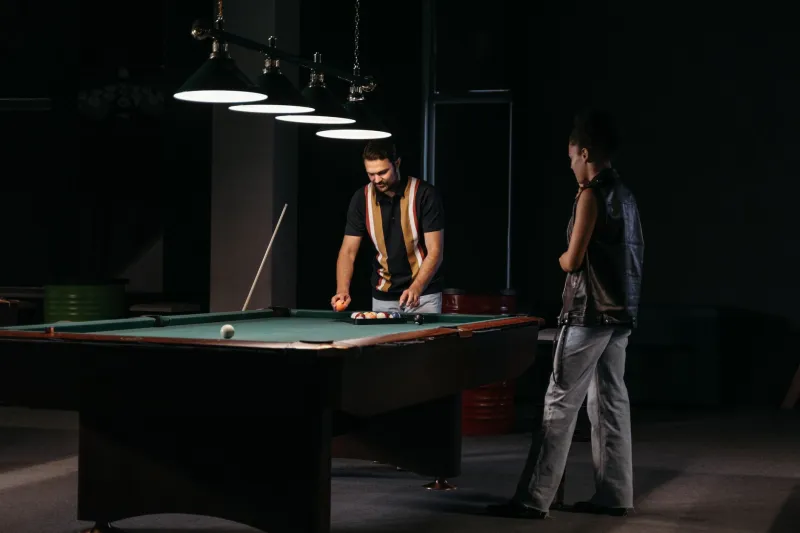
Every pool hall has a vibe. You feel it the second you push through the door — the low hum of conversation, the crack of a clean break, the way regulars glance up just long enough to size you up before going back to their games. That vibe isn't accidental. It's built and maintained by the people inside it, one small decision at a time.
Some of those decisions are obvious. Don't scratch on the eight. Rack tight. Buy your time. But the stuff that really matters? That lives in the gray zone — the customs and courtesies that nobody posts on a sign but everybody notices. Get them right, and you're a welcome face at any table in the house. Get them wrong, and you'll spend the night wondering why nobody wants to play you for a second round.
Here's what the regulars at Bandit already know.
Your Cue Is Not a Prop
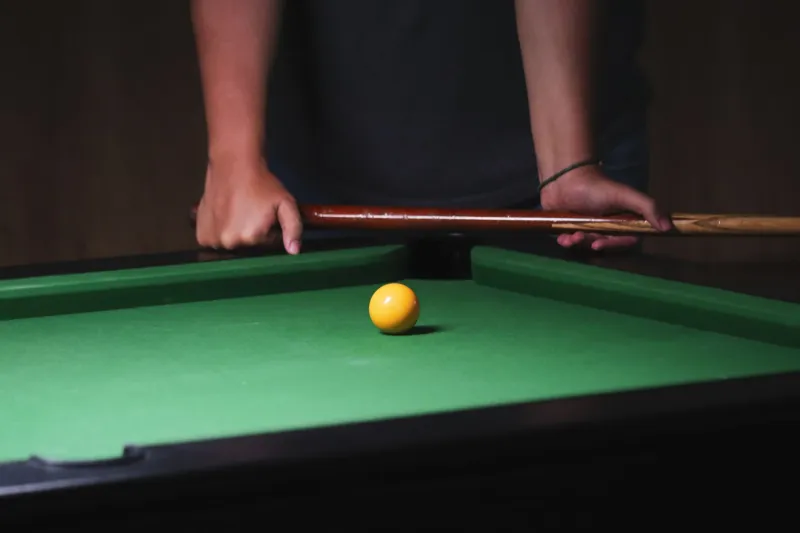
Nothing flags a newcomer faster than how they handle their stick. Leaning on it like a walking cane, waving it around during conversation, or — worst of all — letting the tip drag across the felt while you line up a shot. Your cue is equipment, not furniture. Treat it that way.
When you're not shooting, hold it upright or set it in the rack. If you're using a house cue, inspect it before you play and report any warping to the staff. Don't just quietly curse it and then blame your loss on the equipment — that's a different kind of rookie move. And if you're lucky enough to have your own custom stick, keep it in its case when it's not in your hand. Nobody needs to see you resting a $400 cue against a bar stool.
Table Ownership Has Rules
When you're on a table, you own it — but only for as long as you're actively using it. If you need to step away for a drink, a bathroom break, or a quick conversation, leave something on the rail: a cue, a chalk, your case. It signals that the table is occupied without you having to babysit it.
What you don't do is ghost the table for 20 minutes and then reappear expecting everyone to have held it sacred. If the place is packed and tables are tight, that's not just rude — it's the kind of thing that gets you a quiet word from the staff and a not-so-quiet look from everyone else waiting to play.
When you're done, leave the balls racked and the table clean. Wipe down the rail if you've been leaning on it. Small thing. Big impression.
Calling It Fair
Here's where character shows up. In a casual game, there's no referee. There's no instant replay. It's just you, your opponent, and whatever happened on that last shot. And sometimes what happened is a foul — a double hit, a push shot, a ball you moved with your bridge hand — that only you saw clearly.
Call it.
Seriously. Call your own fouls. It's not just sportsmanship; it's the foundation of the entire culture. Pool halls run on trust. If you're the kind of player who conveniently doesn't notice when your tip clips the cue ball twice, word gets around faster than you'd think. And nobody wants to run a set with someone they can't trust to be straight with them.
On the flip side, if your opponent calls a foul on themselves before you even open your mouth, acknowledge it graciously and move on. Don't make it a thing. That kind of honesty deserves a nod, not a lecture.
The Spectator Problem
Watch the game if you want. Comment on a great shot. That's all fair. What crosses the line is offering unsolicited coaching to someone mid-game — especially if you don't know them. If your buddy is struggling and asks for your read, that's different. But rolling up on a stranger's table to explain why their bridge hand is wrong is a fast way to make an enemy out of someone who was otherwise a perfectly good stranger.
Same goes for hovering. If you're waiting to challenge the table, there's a respectful distance. Stand back, watch the game, and let it finish. Don't crowd the shooter's sightlines or pace behind the pocket they're aiming at. It sounds obvious until you've been on the receiving end of it.
Tipping Is Not Optional
This one doesn't get talked about enough. The staff at a pool hall — the bartenders, the attendants, the people keeping the tables clean and the chalk stocked — are running a real operation. If you're spending a Friday night at a place you love, tip accordingly.
Get a drink? Tip. Get help with a table situation? Tip. Spend three hours on a table that cost you twelve bucks and had a great time doing it? Leave something on your way out. The economics of a pool hall are tighter than most people realize, and the culture you love is kept alive in part by the people behind the counter who show up every shift.
Winning Without Being Insufferable
You ran the table. Great. You can smile, you can fist-pump once if the moment really calls for it, but you don't need to narrate every ball you pocketed or replay your greatest hits for your opponent while they're still standing there. Confidence is attractive. Gloating is not.
And if you lose? Shake hands, say good game, and mean it. Don't immediately start explaining what went wrong, what you would've done differently, or how you had the game until that one shot. Nobody asked, and the person who just beat you has heard every version of that speech already.
Why Any of This Matters
Pool halls are one of the last genuinely communal spaces left in American social life — places where you can walk in alone and leave having made three new friends, a rival, and a standing Thursday night game. That doesn't happen by accident. It happens because the people inside take care of the culture, even when nobody's watching.
The Bandit's code isn't written down anywhere. It lives in how you rack for your opponent, how you handle a close call, how you treat the staff, and how you carry yourself when the game doesn't go your way. Master those things and the felt will welcome you every time.
The rest is just practice.