Last Table Standing: Why Independent Pool Halls Are the Soul of the Block
Drive through almost any mid-sized American city these days and you'll notice something unsettling. The corner diner is gone. The local bowling alley got converted into a trampoline park franchise. The bar that your dad used to call "his spot" is now a Buffalo Wild Wings with seventeen TVs and a QR code menu. Corporate homogenization has been eating neighborhoods alive for two decades, and most communities have felt powerless to stop it.
But walk into the right pool hall on a Tuesday night, and something different is happening.
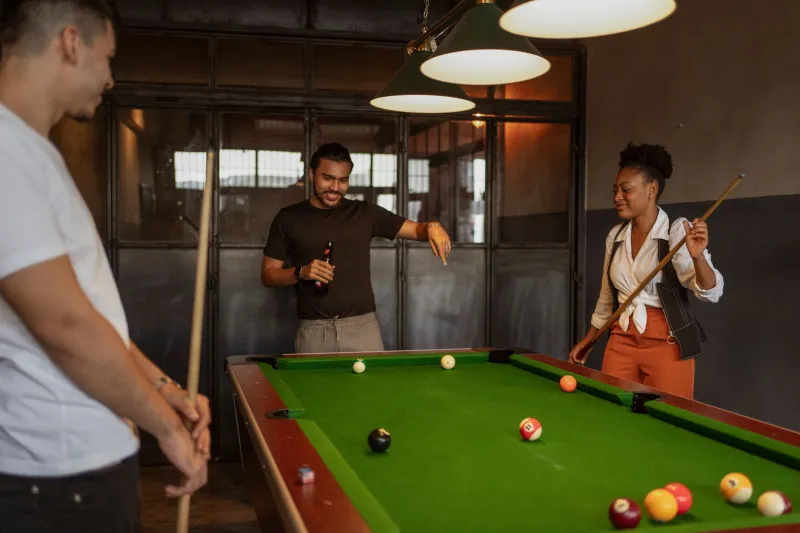
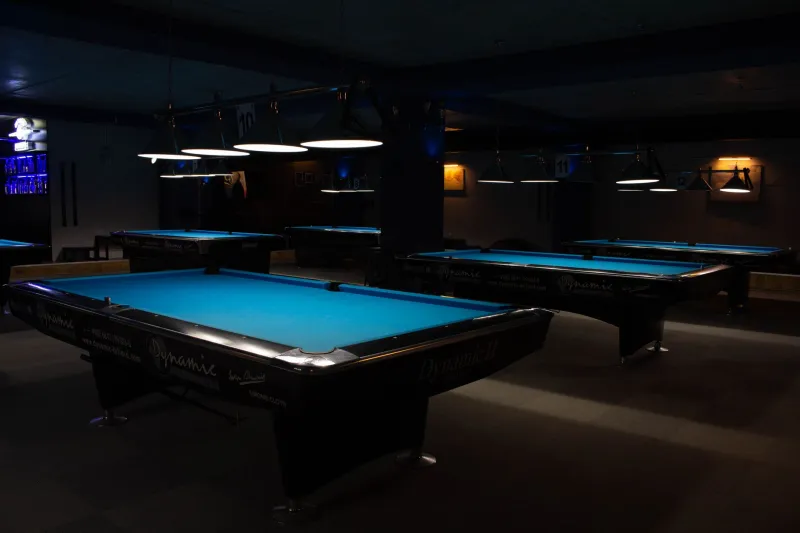
The felt is worn in the corners from years of break shots. The cue rack on the wall holds sticks that regulars have been chalking since before smartphones existed. The guy behind the bar knows your drink, your game, and probably your ex's name. That's not a curated "authentic experience" designed by a brand consultant in Chicago. That's a place that actually is something.
And increasingly, communities across the country are waking up to how rare—and how worth protecting—that really is.
The Strip Mall Problem
Here's what corporate entertainment does well: consistency. You know exactly what you're getting when you walk into a Dave & Buster's in Phoenix versus one in Pittsburgh. Same games, same menu, same energy. For a certain kind of night out, that's fine. Nobody's arguing against the occasional chain sports bar.
But consistency is also another word for interchangeable. And when every block in every city starts to look the same, something essential about place disappears. Neighborhoods stop feeling like somewhere and start feeling like anywhere.
Independent pool halls resist that flattening almost by nature. They're shaped by their owners, their regulars, their history. A hall that's been operating in the same spot for thirty years has absorbed the personality of the block around it. It's hosted the after-work crowd from the factory that closed, the college kids who aged into the Tuesday league, the regulars who met their wives at the bar rail. That accumulation of human story isn't something a franchise can manufacture or replicate.
When a neighborhood loses its independent pool hall, it doesn't just lose a place to shoot pool. It loses a node of social infrastructure that took decades to build.
The Economics Are Brutal—And People Are Stepping Up Anyway
Let's be honest about the math. Running an independent pool hall is not a path to easy money. Real estate costs have exploded in most urban markets. Table maintenance, felt replacement, cue upkeep, licensing, staffing—it adds up fast. Corporate venues can absorb those costs through volume and brand backing. Independent operators are usually working on thinner margins and longer hours.
So why do they stay open?
Talk to enough pool hall owners and you'll hear a version of the same answer: because someone has to. There's a stubborn, almost defiant sense of civic duty that runs through the independent billiards community. These aren't people who accidentally ended up running pool halls. They chose this. They understand what their space means to the people who use it, and they take that seriously.
What's newer—and genuinely encouraging—is that communities are starting to recognize the value from the outside, too. In several cities, local preservation groups and neighborhood associations have begun treating independent entertainment venues, including pool halls, as cultural assets worth protecting through advocacy, low-interest loans, and zoning support. It's the same logic that's been applied to music venues and independent bookstores: once these places close, they almost never come back.
Nostalgia Is Real, But It's Not the Whole Story
It's tempting to frame the appeal of independent pool halls as pure nostalgia—a longing for the way things used to be. And sure, there's some of that. The smell of chalk and old wood, the particular clack of a break on a well-worn table, the sense of stepping into a room with actual history—these things do carry emotional weight for people who grew up around pool culture.
But nostalgia alone doesn't explain why Gen Z players are showing up in numbers at independent halls, or why neighborhood spots in cities like Detroit, New Orleans, and Denver are drawing new regulars who have no memory of pool's earlier cultural peak. Something else is happening.
People are actively hungry for spaces that feel real. After years of algorithmically optimized experiences—restaurants designed to be photographed, bars built around Instagram aesthetics, entertainment venues that feel like theme parks—there's a growing appetite for places that aren't performing authenticity. Places that just are.
A good independent pool hall is exactly that. Nobody designed the scuff marks on the floor. The league schedule on the wall wasn't focus-grouped. The regulars at the bar aren't there because the marketing worked. They're there because it's their place.
The Fight Is Local, and It's Worth Having
Preserving independent pool halls isn't a passive act. It takes regulars who actually show up—not just for the big tournament nights, but on random Wednesdays when the room is half-empty and the owner is wondering if the math still works. It takes communities that recognize local entertainment venues as part of the neighborhood's identity, not just as optional amenities.
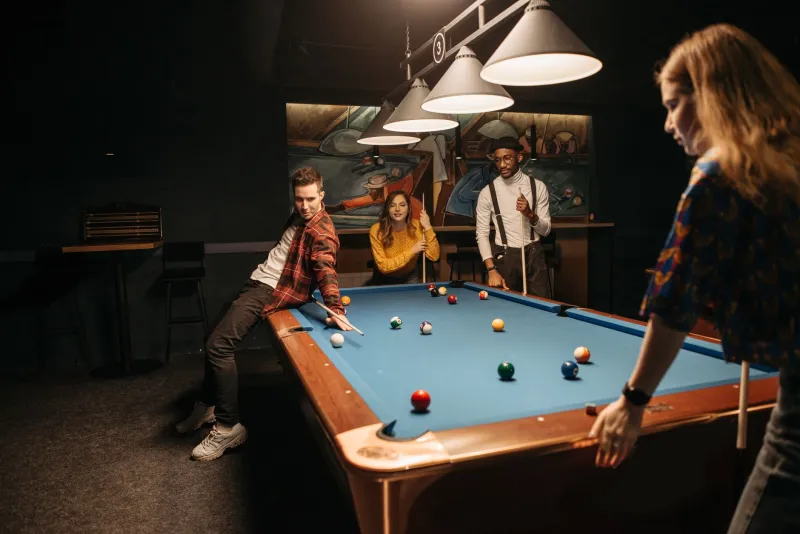
It also takes the kind of ownership that treats the hall as more than a business. The best independent spots function almost like community centers with pool tables. They host charity events, run youth leagues, give regulars a place to land after hard days. They're woven into the fabric of the block in ways that no corporate venue can replicate, because corporate venues aren't trying to be part of the neighborhood—they're trying to extract value from it.
That distinction matters. A lot.
The pool hall renaissance that's quietly happening in pockets of the country isn't driven by trend cycles or investor interest. It's driven by people who've looked around at a world that keeps getting more homogenized and decided they'd rather have something real. A felt table. A regular barstool. A room where the history lives in the walls.
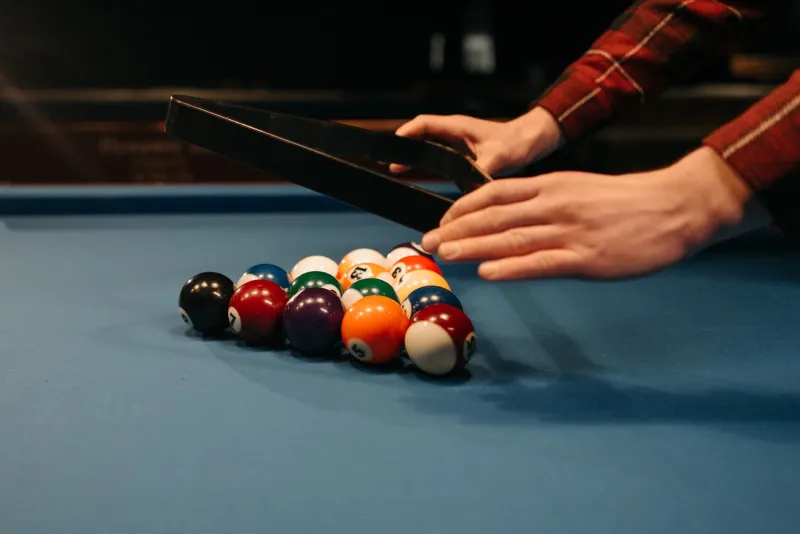
Rack 'em up. The independent halls are still here. Make sure they stay that way.