So You Want to Open a Pool Hall: The Real Business Behind the Felt
The Dream vs. The Reality
Every pool hall owner has a version of the same origin story. They spent years playing at their favorite local spot, watched it close down, and thought: someone should open a place like that. Why not me?
It's a great instinct. But turning a love of billiards into a functioning business requires a very different skill set than running a clean break or knowing when to play safe. The good news is that pool halls, when done right, can be genuinely profitable and deeply rewarding community spaces. The not-so-good news is that a lot of them fail within the first two years — usually not because the owner didn't love pool, but because they underestimated what it actually takes to run a hospitality venue.
Let's get into the real mechanics.
What Does It Actually Cost to Start?
Startup costs for a pool hall vary enormously depending on your market, your space, and your concept. But here's a realistic ballpark to work with:
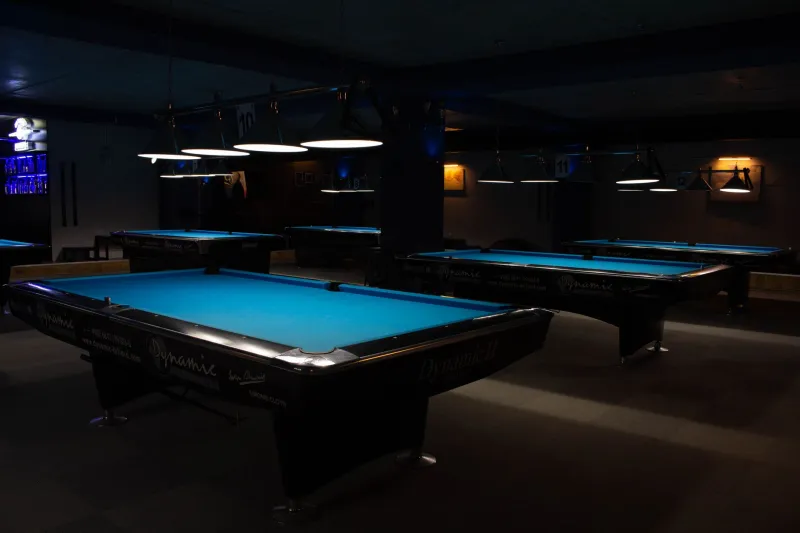
Space: Leasing a commercial space in a mid-size US city typically runs $15–$40 per square foot annually, depending on the neighborhood. A modest 3,000–5,000 square foot venue is workable for a starter operation with 8–12 tables.
Tables: A quality commercial billiards table — the kind that holds up under daily use — runs between $2,000 and $5,000 new. Refurbished tables can bring that number down, but don't cheap out here. Warped felt and dead cushions are the fastest way to lose regulars. Budget for full table service every 12–18 months too.
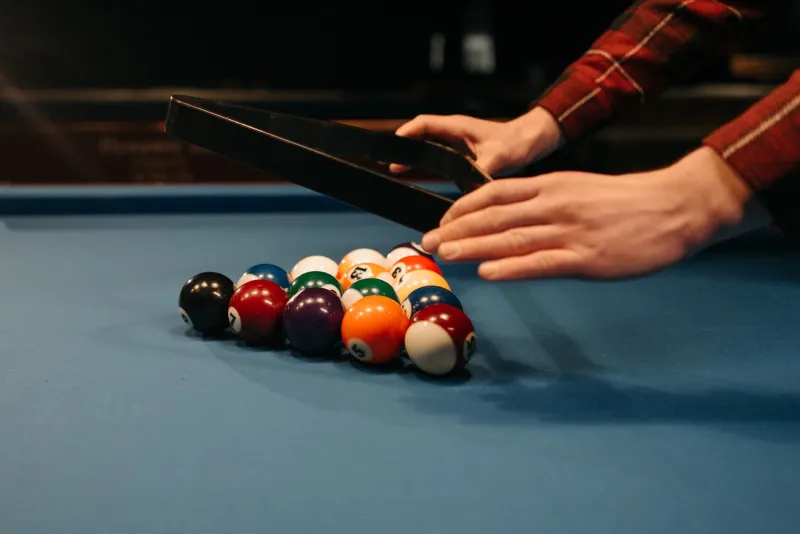
Cues and accessories: House cues, chalk, racks, and bridge sticks add up. Plan on $1,500–$3,000 to stock a solid house kit, plus ongoing replacement costs.
Renovations and buildout: Lighting is critical in a pool hall — both aesthetically and functionally. Proper overhead table lighting alone can run $300–$600 per table installed. Add flooring, bar buildout if applicable, signage, and ADA compliance requirements, and a full renovation easily runs $50,000–$150,000 for a mid-range venue.
Licensing: More on this below, but budget several thousand dollars for permits, liquor licensing (if applicable), and legal fees.
All in, opening a modest but solid pool hall in most US markets will likely require $150,000–$400,000 in startup capital. That's a real number, and it's worth sitting with before you sign a lease.
Licensing: The Part Nobody Wants to Deal With
Here's the unsexy truth: licensing is where a lot of first-time owners get tripped up — not because the requirements are impossible, but because they're time-consuming and vary significantly by state and municipality.
At minimum, you'll need a general business license, a certificate of occupancy, and likely a food service permit if you're serving anything beyond packaged snacks. If you want to serve alcohol — and honestly, the margin on a bar program is often what makes a pool hall financially viable — you're looking at a state liquor license, which can take months to process and cost anywhere from a few hundred dollars to tens of thousands depending on your state.
Some cities also require an amusement or entertainment license for venues with coin-operated games or live events. Check with your local city clerk's office and talk to a business attorney early in the process. It will save you significant headaches later.
Revenue Beyond the Tables
Here's where a lot of pool hall business plans fall short: they're built almost entirely around table rental income. That's a problem.
Table time — typically $10–$20 per hour depending on your market — is a solid revenue stream, but it's also capped by the number of tables you have and the hours people play. To build a genuinely sustainable business, you need to layer in multiple income sources.
Bar and food: Even a modest bar program can dramatically improve your per-customer revenue. Craft beer, cocktails, and a simple snack menu keep people in your venue longer and spending more. A customer who pays $15 for an hour of pool and orders three drinks has a very different ticket than one who pays $15 and goes home.
Leagues and memberships: Weekly leagues are the lifeblood of a healthy pool hall. They fill slow weeknight slots, create loyal regulars, and build genuine community. Membership programs — monthly flat rates for unlimited play or priority booking — offer predictable recurring revenue that smooths out slow periods.
Private events: Birthdays, corporate outings, bachelorette parties — pool halls are underutilized event spaces. A private room or buyout option for groups can generate $500–$2,000+ per event, often on nights that would otherwise be quiet.
Tournaments: Hosting local and regional tournaments drives traffic, earns entry fees, and positions your venue as a serious destination in the billiards community. Partner with organizations like the American Poolplayers Association (APA) or the Billiard Congress of America (BCA) to tap into existing player networks.
Merchandise and pro shop: A small selection of cues, cases, and accessories at retail creates passive income and builds brand identity. It also signals to serious players that your venue takes the game seriously.
Building a Community, Not Just a Customer Base
The pool halls that survive long-term aren't just places to play — they're places people belong to. That distinction matters more than any revenue strategy.
Invest in your regulars. Learn their names. Remember what they drink. Create programming — beginner nights, women's leagues, casual round-robins — that makes the space feel welcoming to people who might otherwise feel intimidated walking through the door for the first time.
Social media presence helps too, but it doesn't replace showing up consistently for your local community. Partner with nearby businesses, sponsor local events, and make your venue a place that feels genuinely woven into the neighborhood fabric.
The pool halls that close are usually the ones that treated their space like a transaction. The ones that thrive are the ones that made it feel like home.
Final Thought
Opening a pool hall is not a passive investment or a casual hobby project. It's a real hospitality business with real operational complexity. But for the right person — someone who loves the game, understands their local market, and is genuinely committed to building a community space — it can be one of the most rewarding businesses you'll ever run.
Do the homework. Respect the numbers. And when you finally flip that sign to "Open" for the first time, rack 'em up and make it count.