Dead Nights and Full Houses: How Smart Pool Halls Stay Packed All Year Long
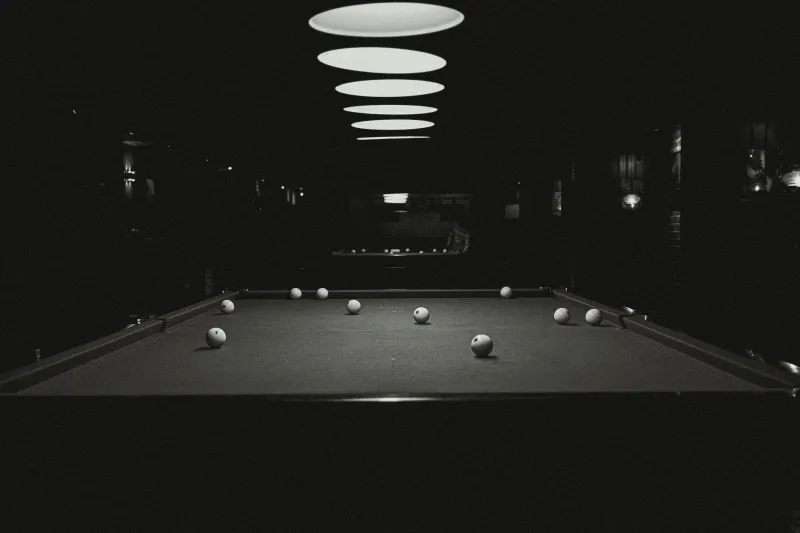
Walk into most pool halls on a Tuesday in late August and you'll hear it before you see it — the hollow echo of a room that should be louder. A few regulars scattered across the far tables, the bartender restocking without much urgency, the jukebox playing to nobody in particular. It's not a crisis. It's a cycle. And every operator worth their salt knows the difference.
Pool halls breathe in and out with the calendar. Traffic swells, then thins, then swells again. The venues that stay healthy through the lean months aren't surviving on luck or a loyal core of die-hards alone. They're running a playbook — sometimes written down, sometimes just lived — that keeps the felt busy when everything else is pulling customers somewhere else.
The Forces Nobody Talks About Out Loud
Ask a pool hall owner what kills a slow week and they'll usually give you the easy answer: weather. Cold nights bring people in. Scorching summer days, ironically, keep them away — beach trips, backyard cookouts, family vacations. But weather is just the surface layer.
The NFL season reshapes nightlife across the entire country. From September through January, a massive chunk of the bar-going public is planted in front of a screen, not a table. March Madness does the same thing in a shorter, more chaotic burst. Local high school playoffs, college football rivalries, even the NBA Finals — they all compete for the same discretionary hours that pool halls depend on.
Then there's the economic undercurrent. When household budgets tighten, entertainment spending gets scrutinized. A night at the pool hall isn't expensive by most standards, but it's a visible line item. People pull back. They stay home. The regulars who used to come three nights a week start showing up once.
Seasonal patterns compound all of this. December is complicated — holiday parties can spike traffic, but travel and family obligations chew into the middle weeks. January hits like a wall. February is unpredictable. Spring tends to open things back up, but summer is a coin flip depending on your market.
What the Slow Nights Are Actually Telling You
Here's where smart operators think differently. A dead Tuesday isn't just a lost revenue night — it's data. It's telling you something about what your room isn't offering that week, that month, that season.
The pool halls that stay consistently busy have learned to read those quiet nights as signals rather than just setbacks. They're asking: who isn't here that could be? What would bring them in? What's happening in the city this week that's pulling attention elsewhere, and how do we either compete with it or work around it?
Some venues have gotten surgical about this. They track their own foot traffic week over week, year over year. They know that the third week of January is historically their slowest stretch, so they plan for it — not by hoping it gets better, but by building something specific into that window.
The Tactics That Actually Move the Needle
Themed nights are the most visible tool in the playbook, and they work when they're executed with some personality. Not every venue needs a trivia night or a costume contest, but a well-run weekly event — something that has a name, a time, a vibe — gives people a reason to pencil it into their schedule. It converts the casual visitor into a regular. It gives the regulars something to invite their friends to.
League play is the backbone of consistent traffic for a lot of halls. A weekly eight-ball or nine-ball league doesn't just fill tables on a specific night — it creates community. Players who are locked into a league show up even when they don't feel like it, because their team is counting on them. That commitment is gold for an operator trying to smooth out the peaks and valleys.
Tournament scheduling is another lever. Spreading tournaments across the calendar — rather than stacking them in already-busy months — gives slower periods a jolt of energy and draws in players from outside the regular crowd. A well-promoted Saturday tournament in February, when there's nothing else competing for attention, can be a genuine revenue spike.
Loyalty programs have moved beyond the punch card era. Some halls are running digital systems that reward frequent visits, track spending, and send targeted offers during slow stretches. A text message offering a discounted table rate on a slow Monday can be enough to tip a regular off the couch and back onto the felt.
Playing the Competition Differently
Rather than fighting the NFL for eyeballs, some pool halls have made the smart move of joining the conversation. Putting up screens for big games while keeping the tables open creates a hybrid atmosphere — people can watch the game, drift over to shoot a few racks during halftime, and stay longer than they would at a bar where there's nothing else to do. It turns a competitor into a complement.
Summer brings a different opportunity. Outdoor events, community partnerships, beginner clinics — anything that positions the pool hall as a destination rather than just a fallback option. New players discovered during summer slow periods have a way of becoming fall regulars.
The Long Game Behind the Short Weeks
What separates the venues that survive the ghost seasons from the ones that don't isn't just tactics. It's a mindset. The operators who stay open and stay relevant treat their room like a living thing that needs tending, not just a space that people either show up to or don't.
They stay connected to their regulars. They pay attention to what's happening in their neighborhood, their city, their market. They adjust. A slow stretch isn't a verdict — it's a gap that a little creativity and consistency can close.
At Bandit Billiards Club, we've watched this play out in rooms across the country. The tables that stay busy through February and August and the dead stretch after New Year's aren't just lucky. They're run by people who understand that the felt doesn't fill itself — and who show up for their room the same way they want their players to show up for the game.