Cue Up: How Women Are Rewriting the Story of American Pool Culture
A Scene in the Middle of a Shift
There's a version of the American pool hall that lives in old movies and faded memory: low lighting, a jukebox in the corner, and almost exclusively men circling the tables. For a long time, that image wasn't entirely wrong. Pool halls, like a lot of recreational spaces in this country, carried a "boys' club" reputation that kept plenty of people — women especially — from ever walking through the door.
That version is becoming increasingly outdated, and honestly, good riddance.
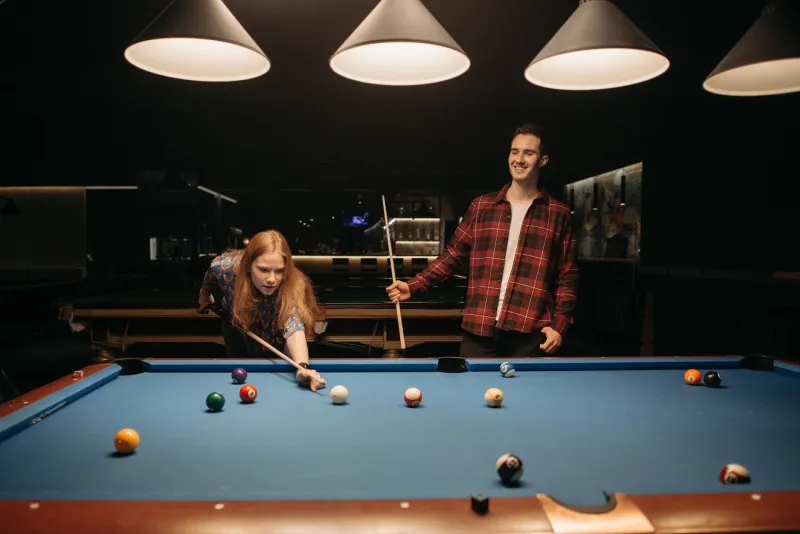
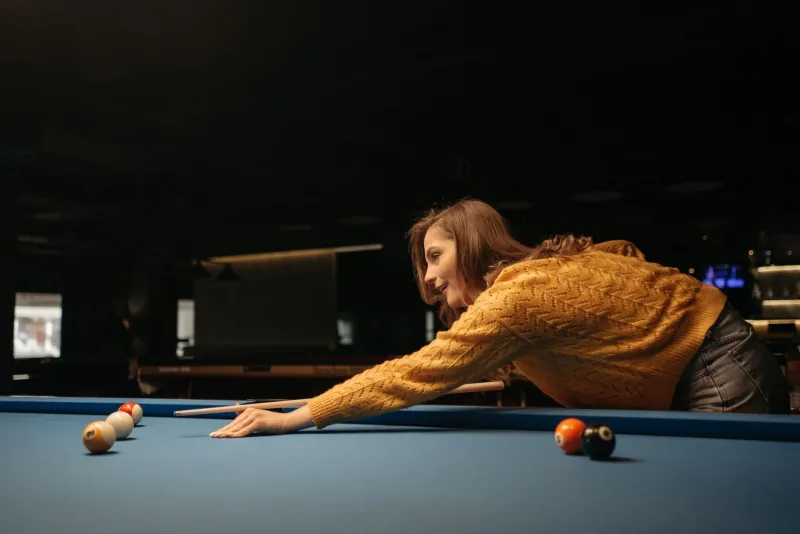
Across the United States, women are showing up to pool halls, league nights, and billiards tournaments in growing numbers. They're competing at high levels, building communities, and fundamentally changing the culture of a sport that's been overdue for exactly this kind of evolution. At Bandit Billiards Club, we think that's worth talking about — and worth actively supporting.
The Numbers Don't Lie
The Billiard Congress of America has tracked steady growth in female participation over the past decade, both in recreational play and organized competition. Women's divisions at regional and national tournaments have expanded. Leagues specifically designed to welcome and develop female players have popped up in cities from Nashville to Portland. Social media has played a huge role too — platforms like Instagram and TikTok have introduced billiards to entirely new demographics, and a lot of those new faces are women who discovered the game through a video and decided to try it themselves.
This isn't a niche trend or a momentary blip. It's a structural shift in who the game belongs to — and the answer, increasingly, is everyone.
Breaking the Intimidation Barrier
Here's the honest truth: a lot of women who might enjoy pool never try it because the environment feels unwelcoming before they even pick up a cue. Whether it's unsolicited advice from a stranger who assumes they're a beginner, a lack of other women in the room, or just the general vibe of a space that wasn't designed with them in mind — the barriers are real even when they're invisible.
This is where pool halls have a genuine opportunity, and a responsibility.
Creating an inclusive environment doesn't require a complete overhaul of everything a venue does. It starts with smaller, intentional choices. Hosting beginner nights that are explicitly marketed as low-pressure and welcoming to all skill levels. Making sure staff is trained to treat every customer — regardless of gender — as a capable adult who came to play pool, not to receive a tutorial they didn't ask for. Putting up signage and social content that visually represents the actual diversity of your customer base.
These things matter more than most venue owners realize.
Women's Leagues Are a Game-Changer
One of the most powerful drivers of female participation in billiards has been the rise of women-specific leagues and casual group nights. Organizations like the Women's Professional Billiard Association (WPBA) have been doing this work at the national level for years, but the real magic often happens locally.
A women's league night at a neighborhood pool hall does something that individual play can't: it builds community. It gives players a reason to come back every week, a group of people to improve alongside, and a social infrastructure that makes the pool hall feel like their space too. For venues, it means consistent foot traffic, loyal regulars, and word-of-mouth that reaches people who might never have walked in otherwise.
If your venue doesn't have a women's league or a dedicated inclusive night on the calendar, that's a gap worth closing.
What Venues Can Actually Do
Beyond leagues, there are practical steps any pool hall can take to become a more genuinely welcoming space for women — and for that matter, for anyone who's ever felt like the room wasn't quite built for them.
Audit your marketing. Look at the photos on your website and social channels. If every image features the same demographic, you're sending a message about who belongs there — whether you intend to or not. Diversify those visuals intentionally.
Train your staff. This one is huge. A bartender or floor staff member who treats a woman walking in alone with the same respect as any other customer is doing more for your venue's reputation than any marketing campaign. Conversely, a single bad interaction can define someone's entire perception of your space.
Create structured entry points. Beginner clinics, intro-to-billiards nights, and learn-to-play sessions give newcomers — of any background — a low-stakes way to get comfortable. When these events feel genuinely welcoming rather than patronizing, they work.
Listen to your community. Ask female regulars what would make the experience better. Then actually do those things. It's not complicated, but it requires being willing to hear feedback that might be uncomfortable.
The Competitive Side of the Story
It would be a mistake to talk about women in billiards only through the lens of inclusion initiatives, as if the goal is simply to make women feel comfortable enough to show up. The truth is, some of the most skilled and competitive players in the country are women — and they deserve to be recognized as such.
Players like Allison Fisher, Jeanette Lee, and a rising generation of younger competitors have demonstrated, repeatedly and convincingly, that elite billiards is not a gendered skill. The shot-making, the strategic thinking, the pressure management required to run a rack under competition conditions — none of that belongs to one gender.
When pool halls host mixed-gender tournaments, celebrate wins across the board, and feature women's league results with the same prominence as men's, they reinforce something important: this is a sport, and great play is great play regardless of who's holding the cue.
What This Means for Bandit Billiards
At Bandit Billiards Club, we believe the best version of a pool hall is one where anyone can walk in, pick up a cue, and feel like they've found their place. The growing presence of women in the billiards scene isn't a challenge to manage — it's an opportunity to build something better than what came before.
Rack 'em up. Hang out. Play hard. Those three things don't have a gender. And neither does the community we're building here.